The Decolonial Question in Social Work
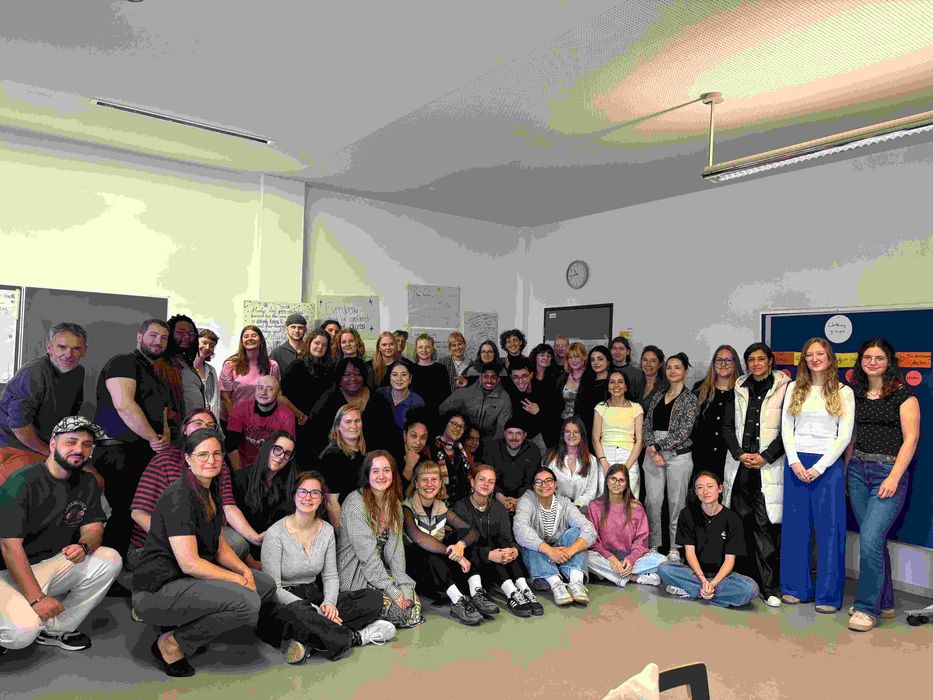
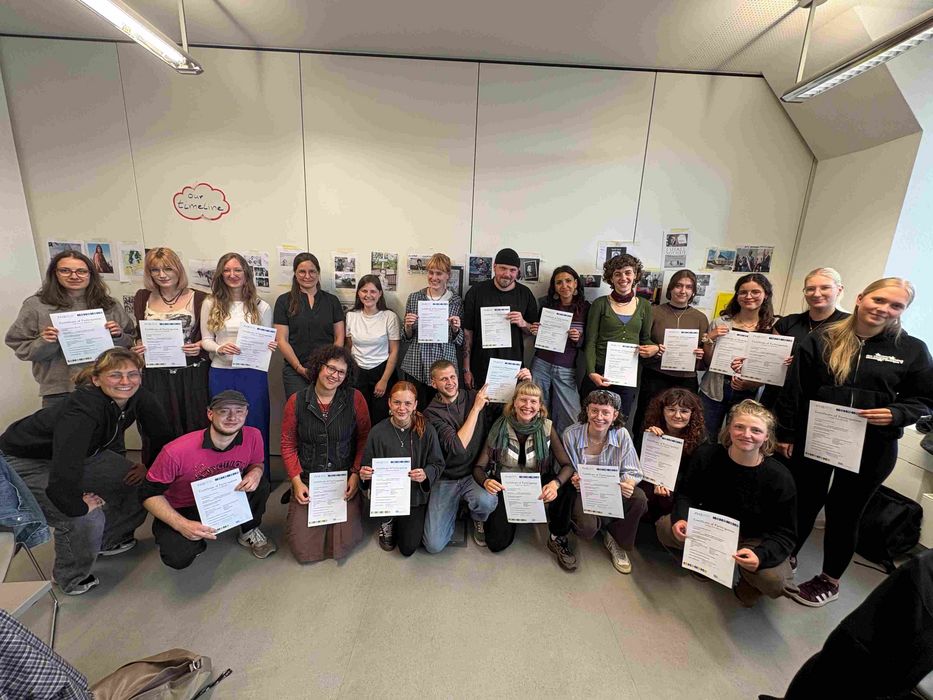
Vom 8. bis 12. Juni 2026 fand an der Fachhochschule Erfurt das internationale Blended-Intensive-Programm (BIP) zum Thema „Die dekoloniale Frage in der Sozialarbeit“ statt. Das Programm wurde im Rahmen des Erasmus+-Programms organisiert und in Zusammenarbeit mit Partnerhochschulen aus Frankreich, den Niederlanden und Belgien durchgeführt: Ocellia Valence, Hogeschool Inholland Rotterdam und Karel de Grote University of Applied Sciences and Arts Antwerp.
Das Programm widmete sich einer kritischen Auseinandersetzung mit der Kolonialgeschichte und deren Auswirkungen auf die heutige Sozialpraxis in Europa. Ziel war es, eine dekoloniale und diskriminierungsfreie Perspektive in der Sozialarbeit zu entwickeln. Die Teilnehmenden setzten sich mit historischen Kontexten, Aspekten der Erinnerungskultur sowie aktuellen Herausforderungen im Umgang mit Rassismus und Diskriminierung auseinander. Dazu gehörten eine dekoloniale Stadtführung durch Erfurt, Exkursionen mit Reflexionen zum Thema (Anti-)Diskriminierung sowie interaktive Workshops, die darauf abzielten, berufliche Werte und Praxisansätze zu hinterfragen.
Zusätzlich zur Präsenzwoche fanden zwei virtuelle Treffen statt, die den Austausch, die Reflexion und die Zusammenarbeit förderten. Kennenlernspiele, gemeinsames Lernen und Diskussionen trugen dazu bei, eine offene, kreative Lernatmosphäre zu schaffen.
Die Teilnehmenden entwickelten ein tieferes Verständnis für die historische Verantwortung Europas und deren Auswirkungen auf die Sozialarbeit. Sie reflektierten ihre eigenen Positionen und identifizierten Handlungsfelder für eine inklusive, dekoloniale Sozialarbeit. Die Erstellung von Berichten und Reflexionspapieren stärkt bereits jetzt die berufliche Entwicklung zukünftiger Sozialarbeiter*innen und befähigt sie, gesellschaftliche Herausforderungen aktiv anzugehen.
Das Programm zeigt, wie internationale Zusammenarbeit und interdisziplinärer Austausch dazu beitragen können, soziale Strukturen kritisch zu hinterfragen und die Praxis der Sozialarbeit gerechter zu gestalten. Die Fachhochschule Erfurt freut sich, durch diesen innovativen Ansatz zur inklusiven und antirassistischen Entwicklung der Sozialarbeit beizutragen.
-------------------------------------------------------
From 8 to 12 June 2026, the international Blended Intensive Programme (BIP) on “The Decolonial Question in Social Work” took place at Erfurt University of Applied Sciences. The programme was organised as part of the Erasmus+ programme and implemented in collaboration with partner universities from France, the Netherlands and Belgium: Ocellia Valence, Hogeschool Inholland Rotterdam and Karel de Grote University of Applied Sciences and Arts Antwerp.
The programme was dedicated to a critical examination of colonial history and its impact on contemporary social practice in Europe. The aim was to develop a decolonial and non-discriminatory perspective in social work. Participants learnt about historical contexts, aspects of the culture of remembrance, and current challenges in addressing racism and discrimination. These included a decolonial guided tour of Erfurt, field visits with reflections on (anti-)discrimination, and interactive workshops designed to scrutinise professional values and approaches to practice.
In addition to the face-to-face week, two virtual meetings took place, which fostered exchange, reflection and cooperation. Icebreakers, collaborative learning and discussion helped to create an open, creative learning atmosphere.
The participants developed a deeper understanding of Europe’s historical responsibility and its impact on social work. They reflected on their own positions and identified areas for action towards inclusive, decolonial social work. The preparation of reports and reflection papers is already strengthening the professional development of future social workers, enabling them to actively tackle societal challenges.
The programme demonstrates how international cooperation and interdisciplinary exchange can help to critically examine social structures and make social work practice more equitable. Erfurt University of Applied Sciences is delighted to contribute to the inclusive and anti-racist development of social work through this innovative approach.